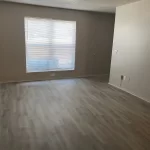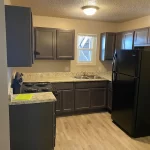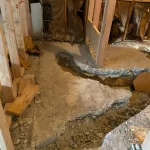

Planning rapid rehab projects at the end of the year can feel like trying to squeeze one more errand into an already packed day, but the payoff is worth it—especially when working in communities that depend on well-kept homes. Many teams choose winter for affordable housing renovation because it creates a natural window between funding cycles, tenant schedules, and project approvals. When handled with care, these short-but-intense upgrades create smoother living spaces, happier residents, and stronger long-term stability.
End-of-year work requires smart timing, clear communication, and a strategy that keeps people comfortable while progress moves fast. With the right approach, rapid rehab projects shift from stressful to seamless.
Why End-of-Year Rehab Works So Well
Winter often brings quieter housing activity, making it one of the best times to plan rapid rehab projects. Teams can complete targeted improvements while minimizing disruption. Even better, year-end schedules allow crews to meet funding deadlines or prepare for new allocations tied to the next budget cycle. This timing also sets the stage for an affordable housing renovation strategy that feels efficient instead of overwhelming.
Before diving into project details, teams should review budgets, community needs, and upcoming compliance checks. A clear overview helps avoid delays and builds confidence for both residents and staff.
Benefits of Tenant-In-Place Approaches
A major advantage in modern affordable housing renovation is the rise of tenant-in-place construction. Instead of moving residents into temporary housing, teams complete repairs while tenants remain at home. When handled well, this approach keeps the community stable and speeds up the process.
A successful tenant-in-place plan includes:
- Daily communication boards or text alerts
- Short work windows to reduce noise
- Temporary rooms for sensitive repairs
- Clear walk paths and safety markers
Because consistency matters, tenant-in-place construction helps families stay grounded while improvements roll out. It also supports property managers who want steady occupancy and minimal interruptions.
Funding Windows, Timing, and Smart Prep
Winter rehab planning has direct ties to funding, including LIHTC rehab planning, lender requirements, and state agency timelines. When teams start preparing during the fall, they gain the advantage of:
- Finalizing scopes before the weather turns
- Locking in contractors during slower months
- Meeting deadlines tied to tax credit allocations
- Setting realistic expectations with residents
LIHTC rehab planning also pushes teams to track documentation, inspections, and energy efficiency updates. Because many programs reset at the end of the year, planning early helps avoid rushed decisions and keeps compliance in check.
Strategies to Reduce Tenant Impact
The biggest fear during rapid rehab projects is resident discomfort. Thankfully, a thoughtful plan goes a long way. Teams working on affordable housing renovation often use simple techniques that keep people informed and comfortable.
Here are easy ways to reduce stress:
- Offer morning and afternoon work windows
- Use quiet tools when possible
- Rotate unit access to match resident schedules
- Provide short-term amenities (laundry vouchers, air purifiers, etc.)
- Maintain clear signs to help residents avoid work zones
When paired with good communication, these approaches make tenant-in-place construction feel manageable instead of chaotic. And because compliance is crucial, these steps also support safety rules and inspection requirements.
Winter-Friendly Planning: What Actually Works
Cold months may slow down outdoor work, but indoor repairs thrive during this season. That’s why many teams rely on winter construction tips to streamline their approach. These include:
- Scheduling exterior tasks early in the season
- Using weather-resistant materials for quick fixes
- Moving interior work to mid-winter to avoid delays
- Coordinating deliveries before holiday slowdowns
When paired with smart, affordable housing project scheduling, these tips help teams avoid unnecessary downtime. Crews stay productive, residents stay comfortable, and progress stays predictable. Because bad weather is always a possibility, following winter construction tips builds stability into every step.
Coordinating Teams and Staying on Track
Many property managers underestimate how much affordable housing project scheduling influences project success. With a solid plan, teams can move from unit to unit without chaos. That structure supports compliance, speeds up repairs, and reduces miscommunication.
Use a simple structure like:
- Week 1: Inspection + prep
- Week 2: Unit repairs + common area improvements
- Week 3: Follow-up fixes
- Week 4: Clearance checks + documentation
This flow pairs well with LIHTC rehab planning, giving teams clear checkpoints while keeping reports organized.
Pulling Everything Together for 2026
Strong year-end planning leads to faster results, happier tenants, and a smoother overall process. By aligning rapid rehab projects with funding cycles and seasonal opportunities, teams create a more predictable upgrade path. And with a people-first strategy, every affordable housing renovation supports both comfort and long-term community health.
End-of-year rehab works best when teams combine smart timing, tenant-friendly strategies, and clean communication. With the right plan, rapid rehab projects turn winter downtime into meaningful progress for any affordable housing renovation initiative.
If you’re preparing for 2026 upgrades and want expert guidance, contact us today.